
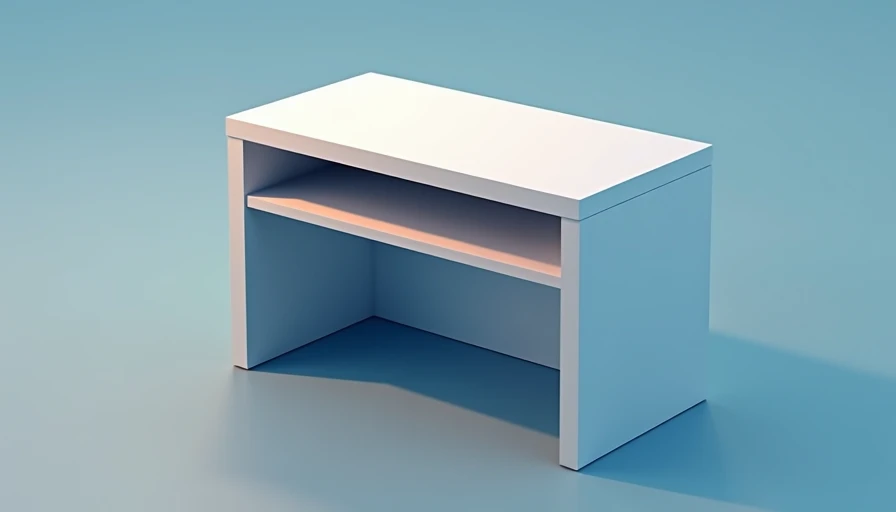

Budget home office furniture does not have to mean a wobbly desk, a thin chair cushion, and storage that collapses under a printer. The smart approach is to spend on the parts your body and workflow use constantly, then save on decorative details. After years managing home-office products, I have found that a functional setup often comes down to three things: correct dimensions, stable construction, and hardware that can survive daily adjustment.
A useful starting budget is $250 to $600 for a desk, task chair, and basic storage. That range will not buy every premium feature, but it can produce a dependable workstation if you shop by specifications instead of photographs. A $180 desk with a solid frame and a $250 chair can serve you better than a $700 matching set built from weak particleboard and undersized hardware.
Where budget home office furniture deserves your money
Start with the desk because it controls your posture, monitor position, and available work area. For one monitor and a laptop, 48 inches wide by 24 inches deep is the practical minimum. If you use two monitors, speakers, notebooks, or a drawing tablet, move to 60 by 30 inches. That extra six inches of depth creates room to keep a keyboard at a comfortable distance while leaving space for paperwork.
Look for a work surface at least 0.75 inches thick. A laminated particleboard top can be perfectly serviceable when its edges are sealed and the frame supports it at several points. Avoid a long, thin top held by two narrow legs; it may look clean in a product photo but often shakes when you type. Steel legs, threaded inserts, and adjustable levelers are more valuable than a fashionable finish. Levelers are small feet that let you correct an uneven floor, a useful feature in older homes.
For a chair, prioritize seat height, seat depth, and back support over color. A seat height around 17 to 21 inches fits many adults, while a seat-depth adjustment helps prevent the front edge from pressing behind your knees. A chair priced around $180 to $350 can be a reasonable buy if the controls are metal or reinforced plastic, the cylinder is replaceable, and the warranty covers normal office use. A headrest is optional; a stable seat pan is not.
Materials that hold up without premium pricing
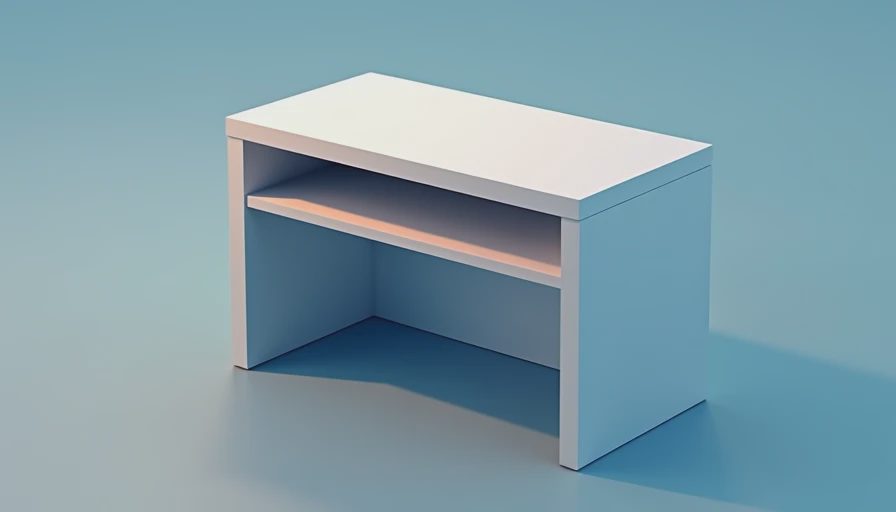
Budget home office furniture usually falls into three construction categories: solid wood, engineered wood, and metal. Solid wood is repairable and attractive, but it is not automatically stronger. A poorly supported pine top can flex more than a well-built engineered-wood desk. Engineered wood means wood fibers or particles bonded into a panel; quality varies widely depending on density, thickness, edge treatment, and fasteners.
Inspect the underside when possible. You want a desk panel that does not sag between supports and a back panel on cabinets that is attached rather than simply nailed into place. On shelving, look for adjustable pins with a positive fit instead of loose pegs. Doors should close evenly, and drawers should travel without scraping. Full-extension slides let a drawer come almost completely forward, making them useful for cables and supplies, but they are not essential for a small stationery drawer.
The best low-cost finish is often a textured laminate. It hides fingerprints, handles a coffee ring better than unfinished veneer, and is easy to wipe clean. A paper-thin decorative wrap over a weak core can still fail at the corners, so inspect edge banding. The edge band is the strip covering the exposed panel edge; it should sit flat with no bubbling or sharp lifted sections.
Real layouts for small rooms and shared spaces
In a 10-by-11-foot room, place a 60-by-30-inch desk on the shortest wall if the door swing allows it. Keep at least 30 inches behind the chair for movement and about 24 inches beside a filing unit or bookcase. A 30-inch-wide shelf can fit beside the desk without turning the room into an obstacle course. If the room also contains a guest bed, choose a 48-inch desk and use a wall-mounted shelf for vertical storage.
A corner setup works well in a bedroom or living room, but do not force a triangular corner desk into a space that needs clear walking paths. Two separate pieces, such as a 48-inch desk plus a 24-inch return, are easier to move and replace. In a shared room, a 42- to 48-inch console-style desk can work for one person, especially with a monitor arm that lifts the screen off the work surface. Use a cable tray underneath rather than letting power strips hang near feet.
For a closet office, measure the opening, baseboards, and door clearance before ordering anything. A 20- to 24-inch-deep surface may be enough for a laptop and monitor, while a 30-inch-deep desk can make the space feel cramped. Budget home office furniture is especially useful here because a narrow desktop and inexpensive wall shelves can solve the problem without committing to built-ins.
Storage and cable management on a sensible budget
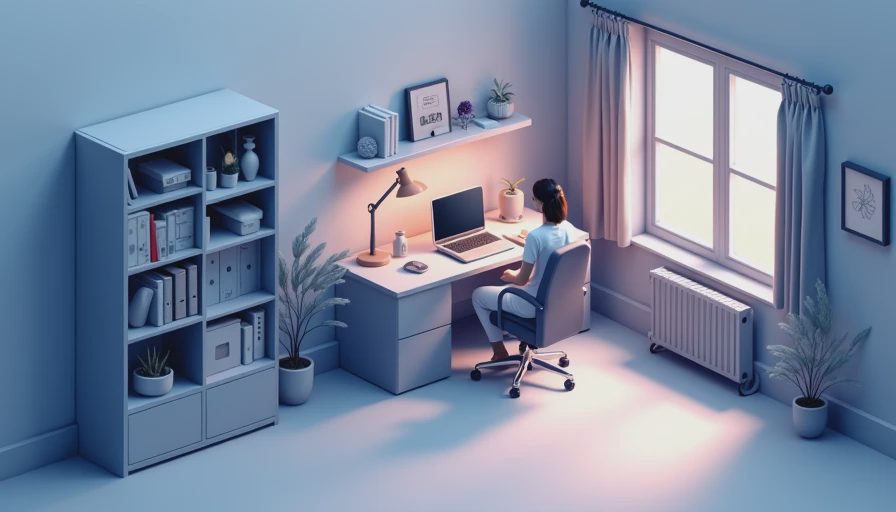
Storage should follow your workflow. If you handle paper invoices, a two-drawer filing cabinet is more useful than a tall bookcase. If most work is digital, use one shelf for reference books, one bin for peripherals, and the remaining space for supplies. A five-shelf bookcase around 30 inches wide gives useful capacity, but anchor tall units to the wall, especially in homes with children or pets.
Cable management does not require an expensive integrated desk. A $15 to $30 under-desk tray, adhesive cable clips, and a six-outlet surge protector can make a dramatic difference. Mount the power strip under the desktop so chargers are reachable without sitting on the floor. Leave a small service loop behind each monitor: that extra length lets you reposition equipment without pulling connectors tight.
When comparing budget home office furniture, include delivery, assembly, and replacement hardware in the real price. A $140 desk that charges $60 for delivery and arrives with missing fasteners is not the bargain it appears to be. IKEA, Target, Wayfair, and office-supply retailers all carry useful low-cost pieces, but the specifications matter more than the retailer name. Read the load rating, dimensions, warranty language, and return policy before buying.
A practical buying sequence
Buy the chair after confirming the desk height. Measure from the floor to the underside of the desktop, then check whether your knees can fit comfortably beneath it. Next, choose the desk and verify that your monitor can sit about an arm's length away while the top of the screen is near eye level. A monitor stand or inexpensive arm can correct a desk that is otherwise a good value.
Add storage after living with the setup for a week. Many people buy a large cabinet for supplies they rarely use, then discover that daily items have nowhere convenient to go. Start with a desktop organizer, one drawer unit, and one shelf. If paperwork expands, add a second storage piece rather than replacing the entire workstation.
This sequence keeps budget home office furniture practical: support your body first, stabilize the work surface second, and solve storage based on actual habits. It also prevents a common mistake I saw repeatedly in product planning: spending heavily on matching furniture before measuring the room or testing the workflow.
The cheaper option is often the smarter option
You do not need a designer desk to create a professional office. A sturdy 60-inch laminate top, two well-braced legs, a separate drawer unit, and a tested task chair can outperform a coordinated suite costing twice as much. Spend more when an upgrade changes daily comfort or durability, such as a better chair mechanism, deeper desktop, or stronger drawer slides. Save when the difference is mostly visual, such as a specialty finish or decorative metal detail.
Before checkout, write down the assembled dimensions, surface thickness, weight capacity, warranty period, return cost, and replacement-part policy. Then measure your room again. Good budget home office furniture should fit the space, support the work, and remain stable after thousands of keystrokes. If a piece passes those tests, it has earned a place in your office regardless of the logo on the box.