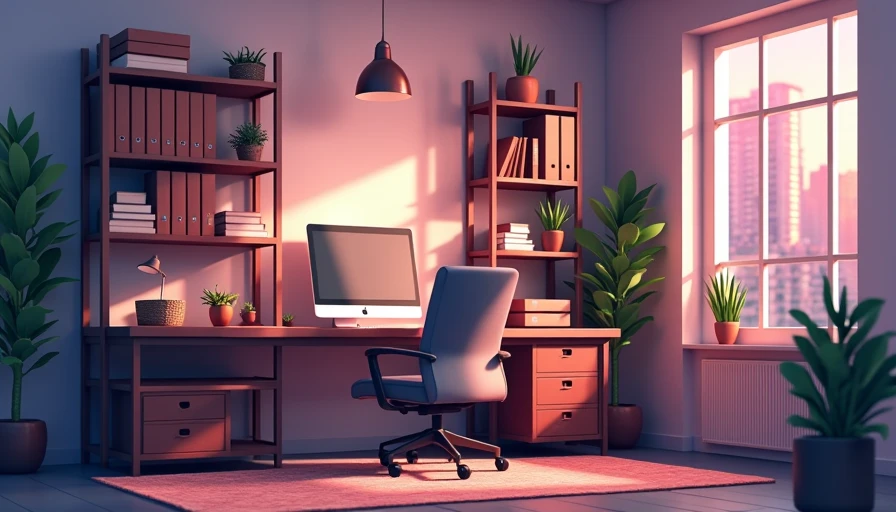
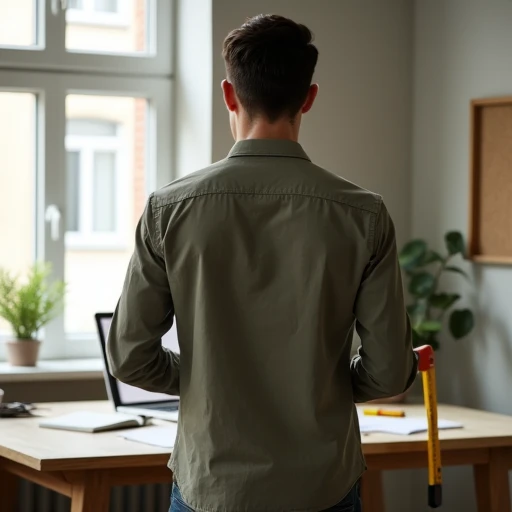
Most storage fails before it reaches the room. Someone buys a deep bookcase, fills it with rarely used binders, then leaves daily tools in a pile beside the keyboard. The better storage ideas for home office planning start with your work sequence: what you reach for hourly, weekly, and almost never. I approach this like a furniture product plan, measuring the wall, mapping the chair movement, and assigning a home to every cable, notebook, and piece of equipment.
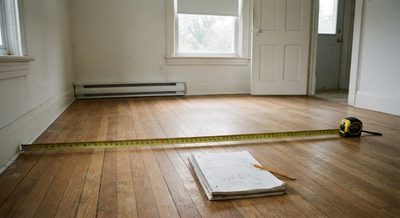
Begin with a tape measure and record three dimensions: usable wall width, ceiling height, and the clear floor area behind your chair. A 10-by-11-foot spare bedroom can comfortably support a 60-inch desk, a 30-inch-deep cabinet, and a 36-inch passage if the storage stays against the wall. In a corner office, preserve at least 30 inches for chair movement and roughly 36 inches where you need to walk past the desk. Those measurements matter more than a staged photograph.
Build Storage Around Your Work Zones
Divide the office into three zones. The primary zone is within arm's reach: pens, headphones, a charging cable, and the notebook you use every day. The secondary zone is one step away: printer paper, files, spare adapters, and reference books. The archive zone can occupy a high shelf or a less convenient cabinet because you might visit it once a month.
This hierarchy is one of the most useful storage ideas for home office layouts because it prevents expensive furniture from becoming a dumping ground. A desk with two shallow drawers can beat a large pedestal if the drawers are 3 inches high and open fully. Full-extension slides let the entire drawer come forward; partial slides hide the back third, where small objects disappear. Look for metal slides rated for at least 75 pounds on a file drawer, not just decorative hardware.
Measure your equipment before shopping. A compact laser printer often needs about 18 inches of width and 18 to 20 inches of depth, while a wide-format printer can require substantially more. Leave 3 inches behind electronics for ventilation and cables. A shelf rated for 50 pounds is a safer choice for a printer than a thin decorative ledge, especially when the machine vibrates during a print cycle.
Use Vertical Space Without Creating a Wall of Clutter
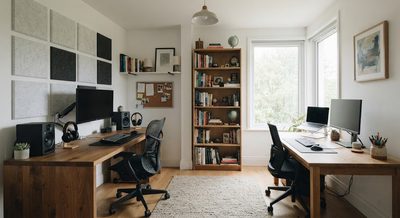
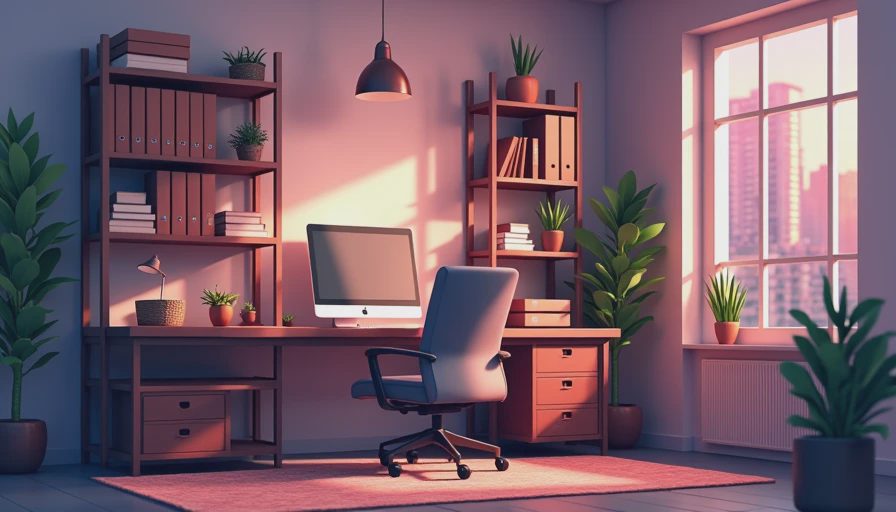
Vertical storage is usually the cheapest square footage in a home office, but only when the structure is anchored and the shelves are spaced for their contents. A 72-inch bookcase with adjustable shelves gives more flexibility than a fixed unit with six identical openings. Set one shelf at 12 inches for books, another at 9 inches for bins, and keep one taller bay for a monitor box or desk lamp.
For storage ideas for home office walls, consider a shallow cabinet 10 to 14 inches deep instead of a standard 16- to 20-inch bookcase. That difference can preserve legroom in a narrow room. Wall-mounted cabinets also keep the floor clear for a robot vacuum and make a small office feel less crowded. Use a stud finder and fasten the cabinet to wall studs or an approved rail system; drywall anchors alone are not a sound plan for heavy files.
Material changes the result. A melamine shelf is affordable and easy to wipe, but unsupported spans longer than about 30 inches can sag under books. A 1-inch-thick plywood shelf or a shelf with a front edge band holds its shape better. Edge banding is the strip covering the exposed panel edge; it also protects against chips where your hand repeatedly grabs a bin.
Make Drawers, Bins, and Cables Earn Their Space
Closed storage is valuable for visual calm, but every container needs a job. Choose bins that are 10 to 12 inches wide so labels remain readable and contents do not become a mixed pile. One bin for shipping supplies, one for tech accessories, and one for active projects is more useful than six unmarked boxes. If you have client files, use hanging-file frames sized for letter paper and leave a little clearance above the folders so they lift out without scraping.
Several practical storage ideas for home office setups involve the underside of the desk. A screw-mounted power strip tray can hold a surge protector off the floor. Adhesive cable clips can route monitor and lamp cords along the rear edge, but clean the surface first and do not suspend heavy power bricks from adhesive alone. A cable sleeve gathers multiple cords; it does not replace safe electrical connections or solve an overloaded outlet.
Keep the desktop footprint intentional. A monitor arm can recover 6 to 10 inches of usable depth, and a small vertical stand can store a laptop beside the display. Before drilling or clamping anything, confirm that the desktop is at least 1 inch thick and that the clamp clears the rear edge. Hollow-core tops can crush under concentrated pressure, so a broad mounting plate or a freestanding stand is the safer choice.

Storage Plans for Shared Rooms and Small Offices
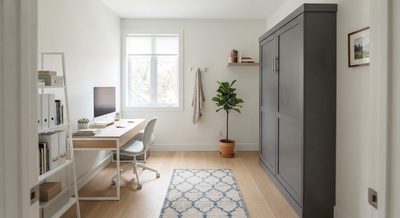
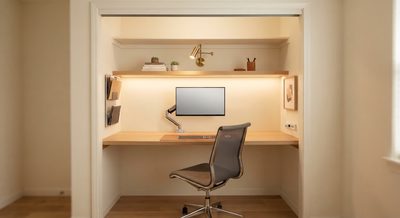
A dedicated office is convenient, but many people work from a bedroom corner, hallway alcove, or dining room. For a 48-inch-wide nook, use a desk no deeper than 24 inches and a cabinet no deeper than 12 inches. A wall shelf above the monitor can hold reference books, while a rolling file cabinet can disappear under the desk at the end of the workday. Casters should lock; otherwise the cabinet slowly migrates when you open a drawer.
In a shared room, prioritize storage that closes. A 30-inch-wide credenza with doors can hide a laptop dock, notebooks, and paperwork after work, while a small open shelf keeps the printer accessible. Ventilation still matters: do not seal a warm printer or router into a tight compartment. Leave openings at the back or use a ventilated panel, and route cords through a grommet rather than pinching them beneath a door.
One of my preferred storage ideas for home office corners is a narrow tower cabinet beside the desk, not behind it. The side position keeps active supplies reachable without forcing the chair to roll backward. In a 10-by-11 room, that arrangement can preserve a clear turning area while using a wall section that would otherwise sit empty.
How to Shop Without Buying the Wrong Piece
Start with capacity, then inspect construction. For particleboard furniture, look for panels at least three-quarters of an inch thick, sealed edges, and cam or dowel joints that pull panels tightly together. Cam joints use a rotating metal fastener; they are common and serviceable when the panel is thick enough. Thin backs stapled loosely to a frame usually signal a unit intended for light decorative use.
Inspect drawer alignment, door gaps, and the warranty language. A five-year warranty covering structural failure tells you more than a glossy finish photograph. Check whether replacement hardware is available and whether the unit arrives fully assembled or flat-packed. Flat-packed furniture can be an excellent value, but budget an afternoon for assembly and use a square so the cabinet does not rack out of alignment.
The best storage ideas for home office purchases often cost less than a complete matching collection. A sturdy $90 wall shelf, labeled bins, and a $200 used filing cabinet can outperform a $900 modular system if the dimensions match your workflow. Spend extra on load-bearing hardware and drawer slides, not on a decorative finish you will barely notice after the first week.
A Five-Minute Reset That Keeps Storage Working
At the end of Friday, return daily tools to the primary zone, move active projects into one labeled bin, and clear the chair path. Recycle duplicate printouts and put archive material in its assigned cabinet. Once a month, test every drawer, tighten visible fasteners, and check that wall anchors remain firm. If a shelf has begun to bow, reduce the load before it cracks or pulls hardware from the wall.
Good storage is not a collection of containers; it is a physical map of how you work. The strongest storage ideas for home office planning make the next action obvious, keep heavy items low, and reserve prime reach space for tools that earn it every day. Measure first, buy fewer pieces, and let the room support your workflow instead of asking your workflow to fight the furniture.