office storage ideas home gets interesting when the room has to work eight hours a day, not just look tidy in a photo. The goal is not more furniture; it is fewer handoffs between where you sit, where you file, and where you stash the stuff you touch every week. In a 10 by 11 room, the wrong cabinet can eat the whole wall. The right one can make the desk feel twice as big.
The first move is to separate daily, weekly, and archive storage before you buy anything. Daily storage lives within arm reach of the chair: pens, notebooks, chargers, headphones, and the current project. Weekly storage belongs a step or two away, like printer paper, labels, backup drives, and the camera tripod that only comes out on recording days. Archive storage can go high or low, because old tax files and warranty binders do not need prime real estate. When a room is organized that way, the desk stops becoming the default dumping ground.
office storage ideas home that start with the daily grab items
I like to set the desk up like a production line. The surface holds only the work in front of you today. One drawer or caddy handles the loose items you reach for ten times a day. A bookcase or low credenza handles the rest. If a printer sits on the desk, it is usually a sign the room is underplanned, not underfurnished. A basic laser printer can live on a 20-inch-deep shelf, and a shredder can sit on the floor beside it. That swap frees up enough surface to make a 48-inch desk feel manageable instead of cramped.
For a small room, the strongest layout is often the simplest one: desk on one wall, storage on the opposite wall, circulation in between. Leave at least 30 inches for a comfortable path, and 36 inches if the room doubles as a guest room or sewing room. That sounds generous until you try to pull out a chair while opening a file drawer. Space is a storage decision too.
The cheapest storage that actually holds up
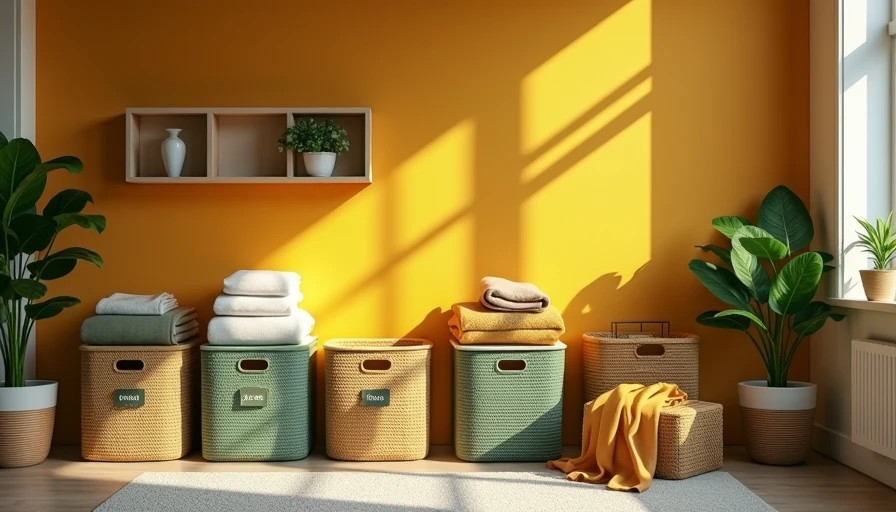
You do not need custom millwork to get a room under control. IKEA KALLAX, BOAXEL, and similar modular pieces do a lot of work for the money when the job is mostly sorting, stacking, and hiding. ClosetMaid wire shelving is still one of the cheapest ways to get vertical storage into a closet or utility nook. Seville Classics and other steel rack systems are useful when you need heavier-duty open storage for paper cartons, printers, or office supplies that come in bulk.
The difference between a good budget piece and a bad one is usually in the core and the hardware. Thin particleboard with flimsy cam locks will sag faster than you expect if you load it with binders. A melamine shelf on a better frame can be fine for years if the span is short and the load is light. For drawers, look for full-extension slides so the back of the drawer is actually usable. For doors, soft-close hinges are not a luxury; they just keep the cabinet from sounding cheap every time you open it.
If you are spending under $300, buy fewer pieces and choose better dimensions. A 30-inch-wide cabinet that fits the wall beats two tiny units with ugly gaps between them. The room will look calmer, and more important, it will work better.
Wall space is the cheapest square footage in the room
Once the floor is mostly clear, move upward. Shelves that start around 54 inches from the floor keep the sightline open above the desk, while shelves above 72 inches are perfect for archives, spare toner, and equipment cases you do not want to see every day. In a room with an 8-foot ceiling, a pair of 14-inch-deep shelves above a 24-inch-deep desk is usually enough. Go deeper than that and the wall starts feeling heavy fast.
Wall-mounted rails and peg systems are useful when the room changes jobs. You can hang file pockets, a task light, a small bin for cables, or a notebook holder without dedicating a whole cabinet to each item. That flexibility matters in a home office, because work changes. A tax prep setup in March is not the same as a video editing setup in September. Storage that can shift with the season is more valuable than storage that only looks neat on day one.
If you are fighting glare, avoid placing tall storage directly beside the monitor. A cabinet edge right next to the screen can make the room feel narrow and bounce light in awkward ways. Leave a little breathing room and the whole setup will feel more professional.
office storage ideas home for closets, corners, and shared rooms
Not every room gets a clean rectangular plan. In a closet conversion, the best move is often to remove the hanging rod and build a real work zone from the floor up. A 24-inch-deep lower cabinet or shelf can hold a printer and paper, while a 12-inch-deep upper shelf stores archived files. If the closet is shallow, a 20-inch-deep desk may be enough, especially if your work is mostly laptop-based. That is one of those office storage ideas home solves better than a full-size executive desk ever will.
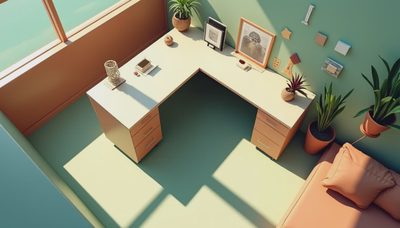
Corners are useful if you respect them. A corner desk can work, but only if the storage beside it is shallow enough to keep the chair path open. In a shared room, closed storage matters more than open shelves because it lets the office disappear when the room changes to something else. A simple credenza with doors can hide a printer, charging station, and paperwork in a way that a bookshelf never will. That is why a basic 60-inch cabinet often makes more sense than another decorative bookcase.

Spend more on the parts you touch every day
This is where it pays to read the spec sheet instead of the styling copy. Soft-close hinges, 18-gauge steel on a filing cabinet, and full-extension drawer slides are not glamorous, but they are the parts that keep a piece useful after the first year. A cheap cabinet can look fine in a product photo and still rack, wobble, or chip at the edges once you start using it every day. Edge banding matters too. If the laminate wraps cleanly around the panel, the piece usually ages better.
I also pay attention to the warranty. Five years is a decent sign for mainstream home office storage, and longer is better if the piece has moving parts. Hon lateral files, for example, are built for real use, not just staging. On the other end of the market, a budget laminate credenza from Sauder or Bush Business Furniture can still be the smarter buy if it fits the room and your load is light. The trick is to match the build to the job, not to the catalog photo.
A practical layout that keeps the desk clear
If I were setting up a spare room from scratch, I would start with one low cabinet, one vertical shelf unit, and one small drawer organizer before I bought anything decorative. That usually covers the printer, paper, office supplies, and the random tech that always shows up later. For a starter budget around $300 to $500, focus on function and skip the extra finish details. Around $800 to $1,500, you can step up to better hinges, smoother drawers, and a storage wall that looks finished instead of improvised.
The real win is not squeezing every inch out of the room. It is making the room predictable. When files have a home, chargers have a home, and the printer is not stealing desk space, the workday gets easier. If you are shopping right now, measure the wall, sketch the walk path, and buy storage with a job. That is the difference between a room that happens to hold office stuff and a room that actually supports the work.