


After a decade as a product manager in the home-office category, and three desks of my own built in a garage workshop, I've learned that the best l shaped standing desk isn't the flashiest one. It's the one that fits your corner, lifts the weight you actually own, and stays solid from sitting to standing. This guide walks through the specs that matter, the rooms that work, and the mistakes that cost people money.
Why the L Shape Earns Its Floor Space
An L-shaped desk gives you a primary work zone in front of the door or window and a secondary wing for a second monitor, a drawing tablet, or the printer that would otherwise sit on a cart. That extra span is why corner desks feel more productive than straight desks of the same wall footprint. Most L-shaped sit-stand frames measure 70 to 72 inches on the long side and 48 to 60 inches on the short side, so measure both walls before shopping. You want about six inches of clearance on each end so the frame can rotate into position without scraping the trim.
The corner also works for people sharing a room. A second monitor on the wing becomes a visual screen between you and the bedroom door. In a 10 x 11 spare bedroom, an L-shape can turn a useless corner into a command center. The shape only helps if the frame underneath is honest about what it can carry.
What Separates a Good Frame From a Wobbly One
The frame is the skeleton, and budget desks fail here first. Look for a dual-motor frame with a steel crossbar. A single-motor lift can handle a 48-inch straight desk, but an L-shaped top is wider, heavier, and creates more leverage. Dual motors keep both legs moving in sync, so one side doesn't drift lower than the other. You also want at least 250 pounds of lift capacity, because the desktop, monitors, and lower cabinet shelves add up quickly.

The second test is stability at standing height. The best frames use a telescoping column, a wide footplate, and a crossbar that connects the legs near the floor. Push on the far edge of the desk at 42 inches; you should feel almost no lateral wobble. If two fingers rock the desk side to side, skip that model. No monitor arm will fix a weak frame.
Motors, Controls, and Cable Management
A good dual-motor lift should raise the desk in under 15 seconds with a noise level that won't ruin a conference call. The control panel needs a digital readout and at least four preset heights, so you can move between sitting and standing without holding a button. Skip a touchscreen upsell; a simple keypad costs less and rarely fails.
Cable management is where L-shaped desks win or lose. The corner creates a natural alley for cords, so look for a corner grommet and a cable tray that runs the full length of the long side. Budget options from Flexispot start around $450; mid-tier desks like the Fully Jarvis L-shaped land near $800; premium Uplift frames sit closer to $1,100. The price difference shows up in tray quality, grommet placement, and the laminate or bamboo surface.
Three Setups That Work in Real Rooms
Here are three corner configurations I've actually lived with, not just photographed in a catalog.
In a 10 x 11 bedroom, face the long side toward the window and the short wing toward the door. That gives natural light on your keyboard and lets the wing hide the messier work zone. If the door swings into the corner, stay with a 60-inch short side instead of a full 72-inch top.
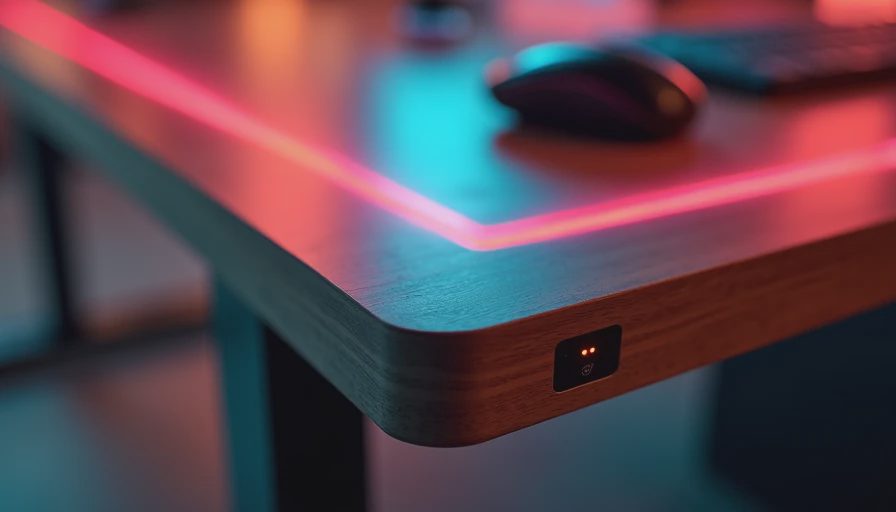
In a larger loft, an L-shaped desk can work as a divider. Put the long side against the wall and the short wing perpendicular to it, creating a visual break between the work zone and the sofa. This works best with a finished back edge on the short wing, which most L-shaped tops already have.
For a 4 x 6 closet nook, a compact L-shaped frame with a 55-inch long side and 40-inch short side fits if you skip the arm rest. Slide it in sideways, rotate it into place, and you've turned the closet into a private office. You give up a little reach to the corner grommet, but the space gain is worth it.
The Short List: Which Desks Make the Cut
If you want the best l shaped standing desk without sorting through forty listings, start with this tier. Flexispot's L-shaped sit-stand desk lands around $450 and handles a normal home-office load, though it gives up some stability at max height. The Fully Jarvis L-shaped desk, near $800, adds a bamboo top and a quieter lift. Uplift's L-shaped frame, around $1,100, uses the most robust crossbar and the best cable tray I've tested. For most remote workers, the mid-tier is the smart buy.
Which ones do I avoid? Any L-frame that skips the steel crossbar. It may look cleaner around your legs, but it wobbles at standing height. I'd rather have a bar under my knees than a desk that shakes with every sentence I type.
The Bottom Line
No single best l shaped standing desk works for every corner, but the right one for most people is a dual-motor L-frame with a steel crossbar, at least 250 pounds of capacity, and a cable tray that reaches the corner. Measure your room first, decide how often you'll stand, and buy from a company that lists its weight capacity and warranty clearly. Your next desk should be the one you don't replace in three years. Buy it once, and your corner office will finally feel like a workspace, not a compromise.